Emergency Water Damage Restoration — Pennsylvania & New Jersey
Mold begins growing within 24–48 hours. Call immediately.
The Water Damage Restoration Process
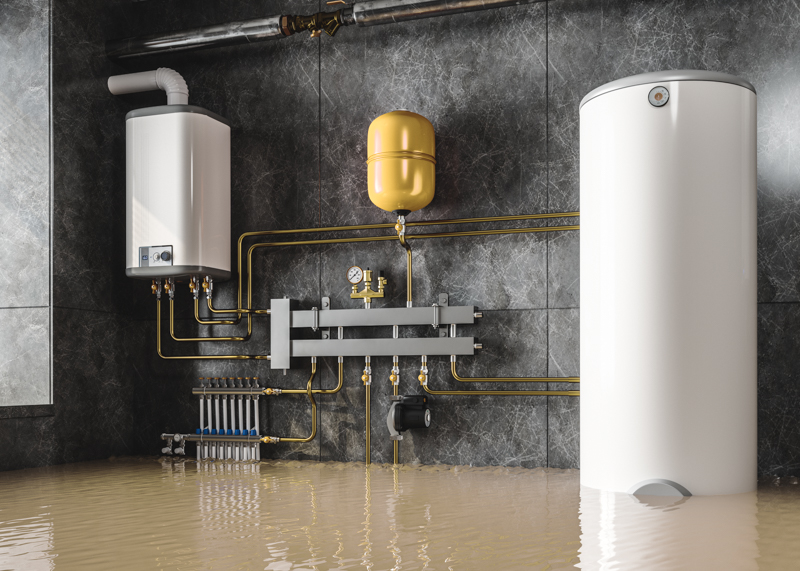
PHASE 1 - Emergency Response
WHAT HAPPENS:
Arrive ASAP, water source secured if active, safety assessment completed
WHY IT MATTERS:
Stopping the water source and assessing structural safety before entering prevents injury and additional damage
PHASE 2 - Water Extraction
Industrial truck-mounted and portable extraction removes standing water
WHY IT MATTERS:
Every gallon removed now is a day less of drying time and a lower risk of mold colonization
PHASE 3 - Moisture Mapping
Thermal imaging and moisture meters map affected materials to stud depth
WHY IT MATTERS:
Ensures no hidden moisture pockets are missed — the source of most mold after ‘dry’ jobs
PHASE 4 - Structural Drying
Commercial dehumidifiers, air movers, and desiccants placed to IICRC S500 standards
WHY IT MATTERS:
Dries to IICRC-defined psychrometric targets — not just ‘until it feels dry’
PHASE 5 - Monitoring
Daily moisture readings track drying progress and adjust equipment placement
WHY IT MATTERS:
Prevents over-drying (structural damage) and under-drying (mold risk)
PHASE 6 - Mold Prevention
Antimicrobial treatment applied to all affected surfaces
WHY IT MATTERS:
Addresses mold spore activation during the critical 24-72 hour window
PHASE 7 - Assessment & Rebuild
Full damage documentation and restoration scope provided
WHY IT MATTERS:
Supports insurance claim and provides a clear path to complete property restoration
Common Water Damage Causes We Handle
- Burst or frozen pipes — most common cause of sudden, severe interior flooding
- Sewage backup and drain overflow — Category 3 water; requires biohazard protocol
- Appliance failure — dishwasher, water heater, washing machine, refrigerator
- Roof leaks and storm intrusion — ceiling collapse, attic saturation
- HVAC condensate overflow — slow leak, often hidden in walls
- Basement flooding — sump pump failure, foundation seepage, surface water entry
- Commercial sprinkler system discharge — large-area flooding requiring industrial response
Insurance & Water Damage
Most homeowner and commercial property policies cover sudden and accidental water damage — but documentation matters. BFR provides detailed moisture mapping reports, photographic documentation of all damage, and scope of work documentation that satisfies insurance adjuster requirements. We can communicate directly with your adjuster throughout the claim process.
Frequently Asked Questions — Water Damage
- How fast does mold grow after water damage?
Mold spores can begin to colonize within 24 to 48 hours in the right moisture and temperature conditions. This is why immediate extraction and professional drying are critical — not just cleanup. - Can I dry out water damage myself?
Consumer fans and dehumidifiers do not match industrial equipment performance and cannot achieve IICRC drying standards. DIY drying routinely leaves hidden moisture that results in mold growth weeks later. - How long does water damage restoration take?
Extraction is typically same-day. Structural drying to IICRC standards takes 3 to 5 days on average, depending on material types and saturation levels. Full restoration timeline depends on damage scope. - Does my insurance cover this?
Most homeowner policies cover sudden and accidental water damage. Flood damage from external sources typically requires separate flood insurance. BFR can help you understand what your policy covers.
Request your FREE assessment.
⏱ Disaster doesn’t wait.
Neither do we.
Our team is ready 24/7 to respond fast and restore what matters most.